Resource Allocation Strategies: Connecting Promotional Incentives with Responsibility Frameworks in Live and Digital Casinos
Written by Sofia Ludwig · Oct 19, 2026
Resource Allocation Strategies: Connecting Promotional Incentives with Responsibility Frameworks in Live and Digital Casinos
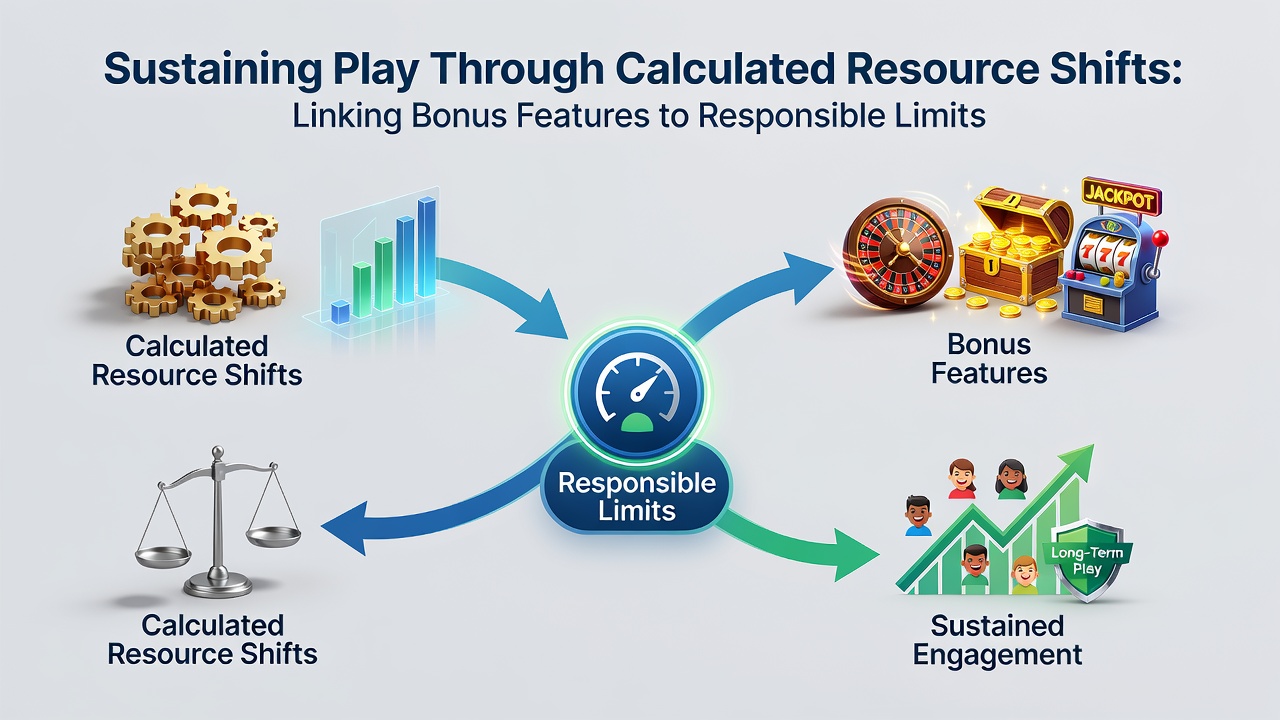
Operators in both physical venues and online platforms implement systems that tie promotional tools directly to preset boundaries, allowing participants to extend sessions through deliberate reallocations of funds and time. These mechanisms rely on data tracking that monitors play patterns and adjusts bonus releases accordingly, creating pathways for continued engagement without breaching established thresholds.
Core Mechanics of Resource Shifting
Research from the Alcohol and Gaming Commission of Ontario indicates that integrated platforms release bonus credits only after players meet specific activity markers, such as completing a set number of spins or hands, while simultaneously enforcing session timers and deposit caps. This linkage ensures that promotional value feeds into ongoing play rather than accelerating depletion, and studies show the approach appears in both brick-and-mortar floors equipped with loyalty kiosks and digital interfaces that sync across devices.
Participants often move winnings from high-volatility slots into lower-risk table games, using the transferred amounts to meet wagering requirements attached to bonuses. Such transitions occur within frameworks that cap total exposure per hour or per day, and data collected by regulatory bodies in multiple regions demonstrate reduced instances of rapid balance drawdowns when these shifts follow predefined rules.
Implementation Across Physical and Virtual Environments
Live casino floors utilize card-based tracking systems that award comp points convertible into play credits, yet those same systems flag when cumulative bets approach daily limits set by the user. Digital counterparts mirror this process through algorithmic prompts that suggest reallocating bonus funds to alternate game types once certain milestones are reached. Observers note that both settings rely on the same underlying principle: promotional features serve as bridges that maintain activity levels while respecting the boundaries participants preselect.
Figures released in October 2026 by the Nevada Gaming Control Board highlight a measurable uptick in sessions that incorporate cross-game fund movements, particularly where bonus eligibility ties to verified limit adherence. Venues in Las Vegas and online operators licensed under the same oversight reported consistent patterns where players who activated resource-shift protocols extended average play duration by measurable percentages without corresponding increases in total outlay.
Role of Data and Limit Integration
Systems record every bonus activation alongside concurrent limit settings, generating reports that operators review to refine future offers. Academic analyses from institutions such as the University of Nevada, Las Vegas, examine these datasets and find correlations between structured reallocations and longer, more controlled participation periods. The evidence points to software modules that pause bonus releases when approaching thresholds, prompting users to confirm continued play or adjust parameters before proceeding.
Industry reports further detail how live environments employ floor staff alerts synced with digital overlays on electronic tables, while remote platforms deliver equivalent notifications through app interfaces. Both approaches create checkpoints that connect promotional value to responsibility tools, reducing the likelihood of unchecked escalation during extended visits.
Conclusion
Patterns observed across jurisdictions demonstrate that calculated resource movements function most effectively when bonus structures remain subordinate to user-defined limits. Regulatory updates and platform upgrades continue to strengthen these connections, producing environments where promotional incentives support sustained activity without overriding boundaries established in advance.