Coordinating Player Protection Thresholds with Cross-Game Bonus Utilization Flows
Written by Parker Jenkins · Sep 21, 2026
Coordinating Player Protection Thresholds with Cross-Game Bonus Utilization Flows
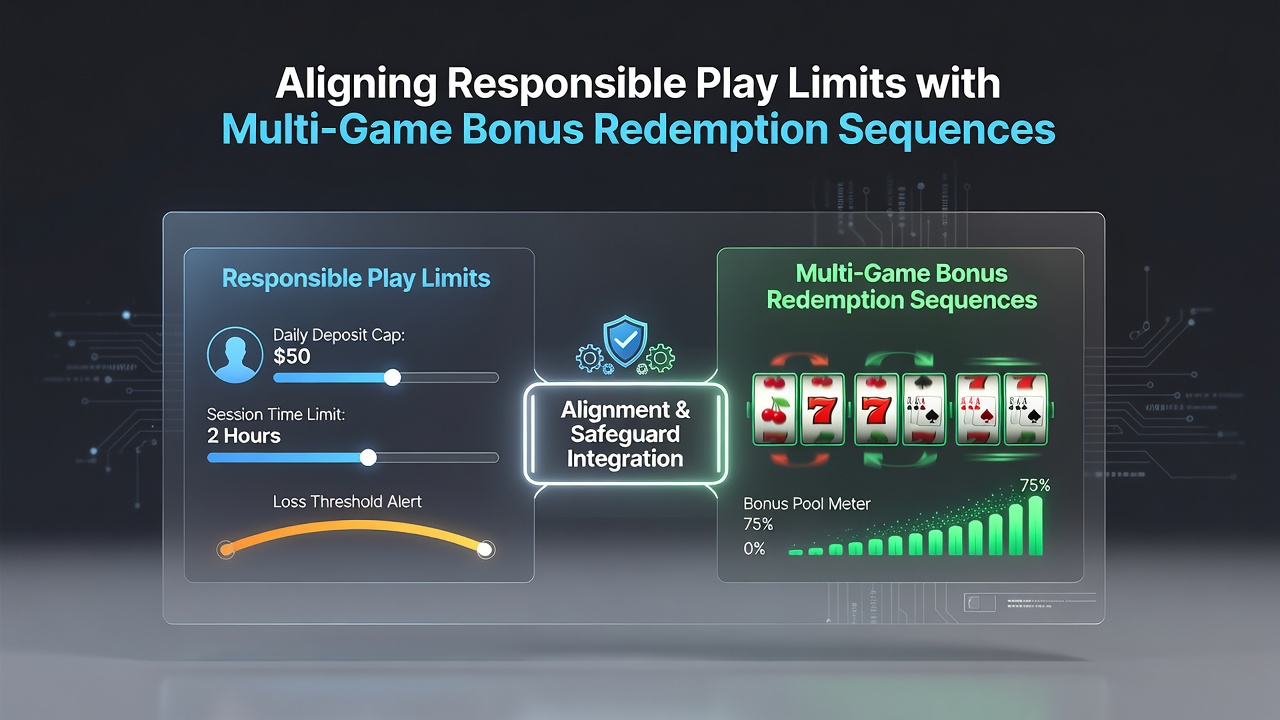
Operators have developed systems that connect self-set play boundaries directly to the steps players follow when claiming and using bonuses across different game types, and these connections help maintain consistent controls even as users move between slot machines, roulette wheels, and card tables. Data from industry reports indicate that structured bonus sequences often require specific wagering patterns spread over multiple titles, which means limit tools must adjust automatically to prevent unintended overextension during the redemption process.
Core Elements of Responsible Play Thresholds
Session timers, deposit caps, and loss alerts form the foundation of most protection frameworks, while researchers at institutions such as the University of Nevada have documented how these features interact with promotional requirements that span several game categories. When a bonus demands play on both video slots and live dealer tables, the system recalibrates remaining time or spend allowances in real time so that the total exposure stays within the pre-selected boundary. Observers note that this dynamic adjustment reduces the chance of a player exhausting daily limits before completing the full redemption chain.
Mechanics of Multi-Game Bonus Redemption Sequences
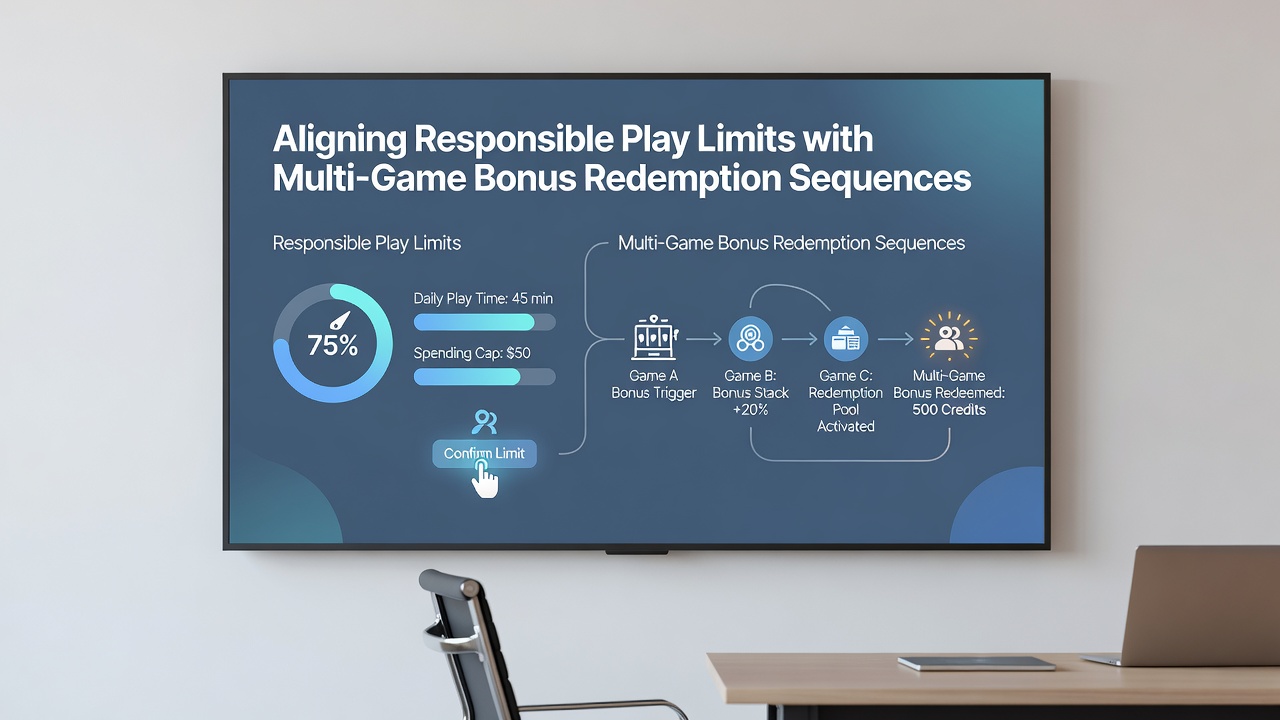
Bonus offers frequently include staged conditions where initial free spins on one machine unlock further credits for table games, and each stage carries its own contribution rate toward the overall wagering target. According to figures released by the American Gaming Association, contribution percentages typically range from 100 percent on slots down to 10 or 20 percent on blackjack and roulette, which forces players to allocate time and funds across formats in a deliberate order. Systems that align limits with these sequences track cumulative activity rather than isolated sessions, ensuring that a cap set for one day applies uniformly even when the player switches titles multiple times.
What's interesting is how software platforms now embed these alignments at the account level, so a user who selects a weekly loss limit sees that figure applied automatically to every stage of a multi-game promotion. This approach avoids the situation where separate game categories might otherwise allow separate tracking that could bypass the intended safeguard.
Implementation Practices Observed in 2026
By September 2026 several testing laboratories had certified new modules that link responsible play dashboards to bonus engines, allowing operators to flag when a redemption sequence risks breaching a chosen threshold. These modules use contribution weighting to forecast remaining allowance after each game transition, and they pause further play prompts once the projected total nears the limit. Evidence from regulatory filings in multiple jurisdictions shows that such forecasting tools have lowered the number of manual interventions required by support teams.
Take one operator who integrated these modules across its European and North American sites; the company reported that players completed bonus sequences within their chosen boundaries more consistently after the update. The same integration also generates periodic summaries that detail how much of each limit was used during particular redemption phases, giving users clearer visibility without requiring additional navigation.
Technical Considerations for Seamless Alignment
Developers must account for varying game speeds and contribution rates when building the connection between limits and bonus flows, because a rapid slot session can consume allowance faster than a slower table game even if the nominal stake appears similar. Programming teams therefore apply real-time multipliers based on historical data for each title, then feed those calculations into the central limit tracker. This method keeps the displayed remaining balance accurate across the entire sequence rather than resetting at every game change.
Yet the process also requires careful handling of bonus expiry timers, since an approaching deadline can pressure players to accelerate activity; synchronized systems therefore issue graduated warnings that factor in both the limit and the time left to redeem. Industry organizations such as the European Gaming and Betting Association have published technical guidelines that outline minimum standards for these warning intervals.
Conclusion
Aligning responsible play limits with multi-game bonus redemption sequences relies on integrated tracking, weighted forecasting, and automatic adjustments that maintain consistency across game types. Reports from academic and industry sources confirm that these alignments produce measurable improvements in adherence to chosen boundaries while still permitting players to navigate the staged requirements of promotional offers. As platforms continue to refine the technical links between protection tools and bonus engines, the core principle remains the coordination of all activity under a single, continuously updated set of thresholds.